
Article #7
Vitrectomy Recovery in Hamilton: Face Down Equipment Rentals & Recovery Guide
Last Updated: July 2026
Preparing for vitrectomy recovery in Hamilton can bring up many questions. You may be wondering how your eye will feel, how to manage daily activities, or how you will maintain face down positioning at home. A little preparation can make the first days after surgery feel less uncertain.
This guide explains what patients commonly experience after vitrectomy and how face down equipment may help when positioning is prescribed. It is general information, not medical advice. Your surgeon's instructions always take priority because every eye, procedure, and recovery plan is different.
What Is a Vitrectomy?
A vitrectomy is an eye operation in which a vitreoretinal surgeon removes some or all of the clear gel, called the vitreous, from inside the eye. The procedure gives the surgeon access to the retina at the back of the eye. Vitrectomy may be part of treatment for several retinal conditions, but the reason for surgery and the recovery plan vary from person to person.
In some cases, the surgeon places a gas bubble or another material inside the eye. If positioning is needed afterward, the medical team will explain which direction your head should face, how many hours per day to position, how to sleep, and how long the schedule should continue.
Not everyone having a vitrectomy in Hamilton will be asked to stay face down. Do not begin, change, or stop a positioning routine based only on general online advice. If any instruction is unclear, contact your surgeon's office before surgery or as soon as possible afterward.
Why Face Down Positioning Is Important
When prescribed, face down positioning helps keep the head in the direction selected by the surgeon during early healing. Patients are often asked to keep their nose pointed toward the floor while sitting or resting. The exact position can differ, so ask for a clear demonstration before leaving the surgical centre.
Your plan may include daytime positioning, an approved sleeping position, or both. Some patients are allowed scheduled breaks; others receive different instructions. The safest approach is to follow the written plan from your own retinal team. Our guide to face down positioning after eye surgery offers more general background.
If a gas bubble is present, follow every restriction given by your medical team, including guidance about air travel, higher elevations, driving, and future medical care. Ask your surgeon when each activity is safe for you.
Retinal Surgery Care in Hamilton
Many people receive retinal surgery in Hamilton and return home the same day to begin recovery with help from a family member or caregiver. Patients undergoing retinal surgery at the Hamilton Regional Eye Institute at St. Joseph's Healthcare Hamilton may require face down positioning after vitrectomy surgery, depending on their surgeon's instructions. Retinal specialists, including Dr. Varun Chaudhary and other vitreoretinal surgeons, determine each patient's recovery protocol.
Hamilton also serves patients from nearby communities. People from Burlington, Brantford, Grimsby, Ancaster, Dundas, and Stoney Creek may travel into the city for an appointment or retinal procedure. When recovery equipment is required, having it delivered and set up at home means the recovery space can be ready without another shopping trip after surgery.
What the First Few Weeks of Recovery May Be Like
Surgery day and the first 24 hours
Arrange for someone to drive you home and, if possible, stay nearby while you settle in. Your eye may be covered, your vision may be blurry, and you may feel tired. Start prescribed drops and positioning exactly as directed. Keep the surgeon's contact information and your medication schedule within easy reach.
Days two through seven
The first week is often when the practical demands of face down recovery become clear. Eating, using a phone, sleeping, and passing the time may require adjustments. Mild eye irritation, light sensitivity, changing or blurred vision, and general tiredness can occur, but only your medical team can tell you what is expected in your case.
Weeks two and beyond
Some patients finish positioning during this period, while others continue longer. Eye drops, activity limits, follow-up visits, and the return to work or driving all follow individual schedules. Vision can change as the eye heals, and visual recovery does not follow one fixed timeline.
For a broader overview, read our day-by-day vitrectomy recovery timeline. Use it to prepare questions, not to replace advice from your surgeon.
Common Recovery Challenges
Patients managing vitrectomy recovery commonly report practical challenges such as:
- Neck, shoulder, or lower-back strain while positioning
- Pressure on the forehead or cheeks from poor support
- Interrupted sleep and daytime fatigue
- Difficulty eating, reading, using a phone, or watching TV
- Keeping track of drops and appointment schedules
- Depending on others for rides, meals, and household tasks
- Feeling isolated, bored, or frustrated by activity limits
Build a simple routine before surgery if you can. Place water, tissues, medications, charging cables, and entertainment near your positioning areas. Prepare easy meals and arrange help with pets, laundry, groceries, and transportation.
Contact your surgeon promptly about severe or increasing pain, sudden changes in vision, increasing redness, unusual discharge, nausea, or any symptom they told you to watch for. If you are unsure whether a symptom is urgent, call the medical team rather than waiting for an online answer.
Preparing Your Hamilton Home Before Surgery
Walk through a normal day and decide where you will position for meals, rest, and quiet activities. Keep pathways clear between these areas, especially if your vision may be limited. Good lighting, secure rugs, and a small table for supplies can help you move around the home with less confusion. Place frequently used items where you will not need to reach overhead or bend unnecessarily.
Create one written page with your eye-drop schedule, follow-up appointment, pharmacy details, surgeon's phone number, and the name of the person helping you. Set phone alarms if your medical team agrees they would be useful. Ask your caregiver to review the instructions as well, since it can be difficult to absorb new information immediately after a procedure.
Consider simple ways to pass the time while face down: audiobooks, podcasts, music, voice calls, and hands-free phone controls can all be prepared in advance. A long charging cable and headphones may also be useful. If a mirror is part of your face down equipment, test the viewing angle during setup rather than waiting until you are tired.
Hamilton weather can also affect your plans. Arrange a reliable ride for follow-up visits and keep seasonal footwear and outerwear easy to reach. Avoid unnecessary travel until your surgeon confirms what is safe. A prepared home will not remove every challenge, but it can reduce last-minute tasks during the first days of recovery.
How Face Down Recovery Equipment Helps
Face down equipment does not treat the eye or change the prescribed recovery period. Its purpose is to support the body while you maintain the position ordered by your surgeon. A more stable setup can make it easier to move between approved daytime and nighttime routines.
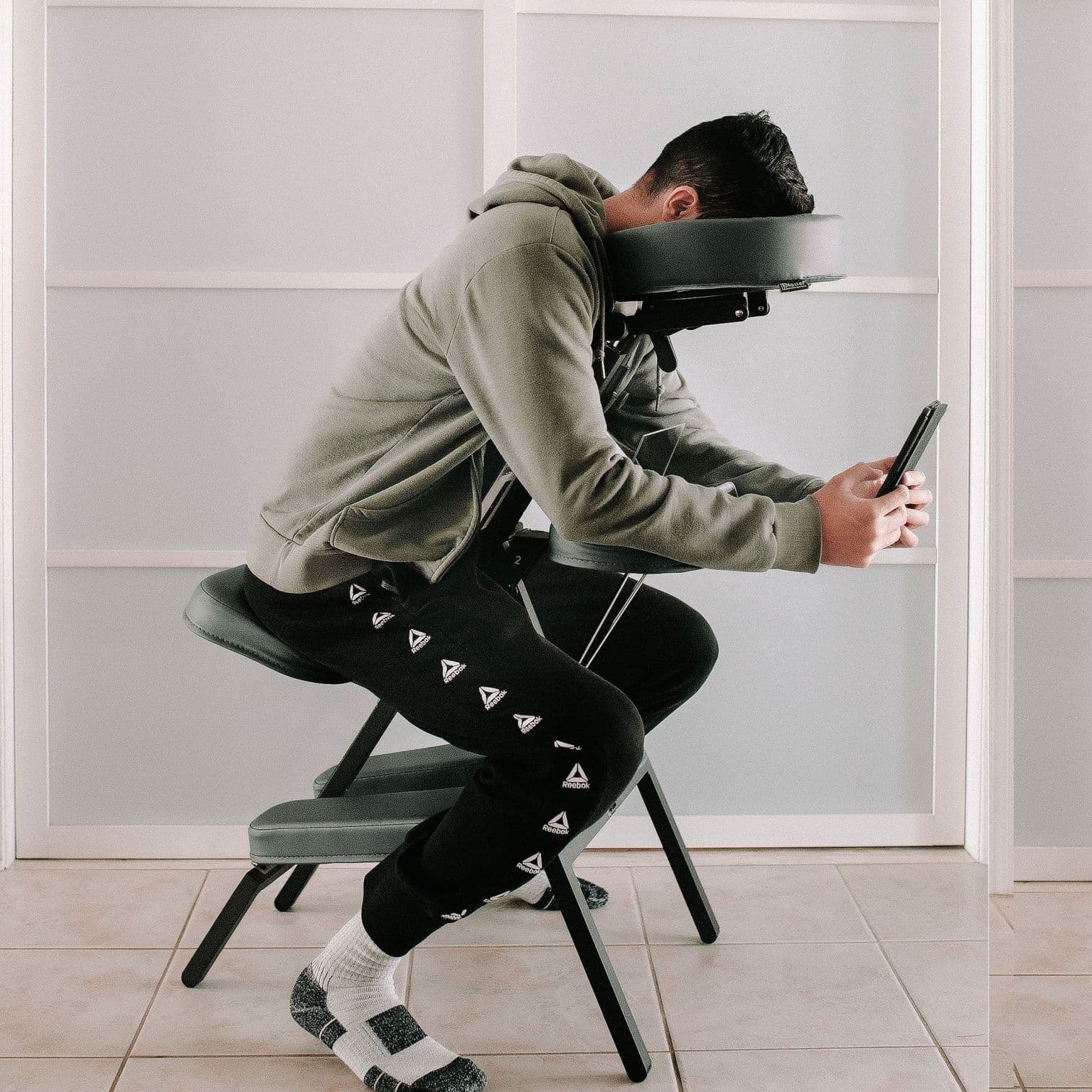
- A face down chair supports the chest, arms, and face for seated positioning.
- A bed support provides a face opening and adjustable support for an approved resting or sleeping position.
- A tabletop or portable support can be used at a suitable table or desk for shorter activities.
- A two-way mirror may let a patient view a television while keeping the face directed down.
Review our face down recovery equipment to see the available components. Equipment should be adjusted to the user's height and comfort without changing the required head direction. Tell the delivery team about mobility concerns, and ask your medical team about any position you cannot safely maintain.
Renting Vitrectomy Recovery Equipment in Hamilton
Vitrectomy Rentals provides vitrectomy equipment rental in Hamilton for patients who have been told to use face down positioning. Our service includes:
- Delivery throughout Hamilton and surrounding areas
- Setup in the patient's home
- Equipment sanitized before every rental
- Flexible rental periods
- Customer support throughout recovery
Booking before the operation gives you time to learn how each item adjusts and to choose practical places for daytime and nighttime positioning. If the surgery date is approaching, contact us to check availability. We will explain the rental service and equipment setup; questions about positioning hours or medical restrictions must go to your surgeon.
Visit the Hamilton face down equipment rental page for local service details, or view our rental pricing and included equipment.
What to Expect From Delivery and Setup
Before delivery, confirm the address, contact person, expected surgery date, and the space where the equipment will be used. It helps to measure narrow doorways and clear a path through the home. If stairs, building access, or parking may affect delivery, share those details when arranging the rental.
During setup, the equipment can be placed and adjusted for the patient's general fit. This is a good time for the patient and caregiver to learn how the supports and mirror adjust. Try the chair and other components before the delivery visit ends, and ask practical questions about normal equipment use.
Keep in mind that equipment setup is separate from medical positioning advice. The rental team does not decide the angle, duration, allowed breaks, or sleeping direction in your recovery protocol. Have your surgeon's written instructions available and contact the medical office if they do not clearly explain what you must do.
Frequently Asked Questions
Does every vitrectomy patient need to recover face down?
No. The need for face down positioning depends on your condition, procedure, and surgeon's plan. Follow only the instructions provided for your eye.
How long will I need face down equipment?
Positioning schedules vary. Your surgeon will determine the number of hours per day and the number of days required. Read how long face down positioning may last for general planning information, then confirm your personal schedule with your care team.
When should I reserve a face down chair rental in Hamilton?
Once your surgeon confirms that positioning may be required and you know the surgery date, you can check availability. Earlier booking can provide more time to plan delivery and home setup.
Can equipment be delivered to communities near Hamilton?
Delivery is available throughout Hamilton and surrounding areas, including communities such as Burlington, Brantford, Grimsby, Ancaster, Dundas, and Stoney Creek. Contact us with your address and preferred timing so availability can be confirmed.
Is the rental equipment cleaned between patients?
Yes. Equipment is sanitized before every rental and set up in the patient's home.
Can Vitrectomy Rentals tell me how to position?
We can explain how the rental equipment adjusts and provide support related to its use. Only your surgeon or medical team can prescribe your head position, daily schedule, breaks, sleeping position, and activity restrictions. See our frequently asked questions for more information about the rental service.
Final Thoughts
A successful home routine starts with clear medical instructions and a recovery area prepared around your needs. Ask questions before leaving the surgical centre, arrange practical help, and keep your follow-up information close by. If face down recovery is prescribed, appropriate support equipment can make the required position easier to manage during everyday activities.
If you're recovering from vitrectomy surgery in Hamilton and require face down recovery equipment, Vitrectomy Rentals offers delivery, setup, and flexible rental options throughout the Hamilton area. You can also browse all our recovery guides while preparing for surgery.
Plan Your Hamilton Recovery Rental
Review local delivery information or check equipment availability for your expected recovery dates.
